Signs Your Home Is Ready for a Skylight Installation
Noticing increased natural light, roof leaks, or attic warmth can indicate your home is ready for a skylight installation, and local contractors can help evaluate and install it properly.
Homeowners exploring skylight installation often notice certain signs that indicate their space may benefit from additional natural light. For example, rooms that feel consistently dark or lack sufficient windows might be ideal candidates for a skylight upgrade. Additionally, spaces with limited wall space for traditional windows-such as attics, bathrooms, or interior rooms-can be transformed by the strategic addition of a skylight, bringing in daylight without sacrificing privacy or wall space. Recognizing these signs can help property owners decide when to connect with local contractors who specialize in skylight installation and can assess the best options to brighten and enhance their living areas.
Beyond improving illumination, other indicators include rooms with uneven lighting throughout the day or spaces that could use a boost in ventilation and fresh air. If a home’s roof structure is suitable and the location offers unobstructed sunlight, local service providers can often help evaluate the potential for skylights to improve both aesthetics and functionality. Keeping an eye out for these signs can lead property owners to the right moment for a skylight installation, opening up new possibilities for natural light and improved home comfort.
- Roof inspection - signs your home is ready for a skylight installation often include roof areas that can support additional weight, and local contractors can assess structural integrity.
- Attic and ceiling evaluation - when ceilings show signs of moisture or unevenness, service providers can determine if a skylight installation is feasible.
- Lighting assessment - homes lacking natural light in key areas may benefit from skylights, with local pros evaluating optimal placement options.
- Structural analysis - if existing roof structures are strong and free of damage, professionals can plan for proper skylight integration.
- Ventilation check - homes with poor airflow might be ready for skylights that include ventilation features, with local contractors advising on suitable models.
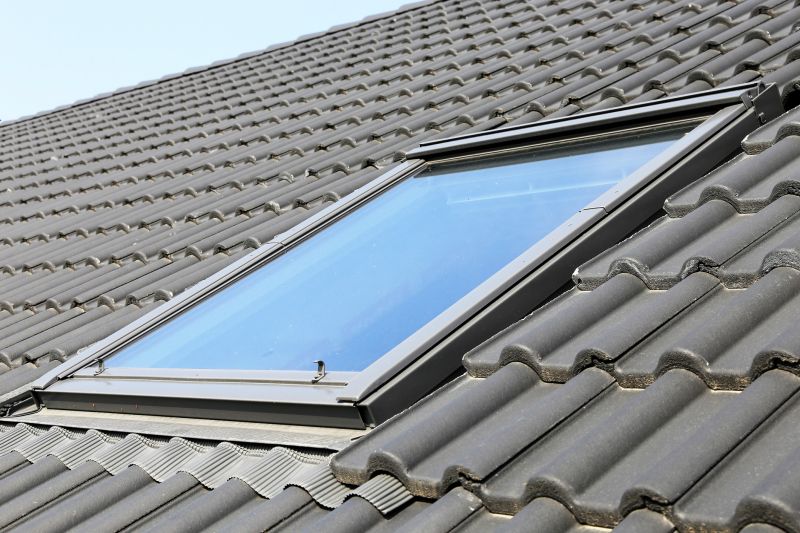
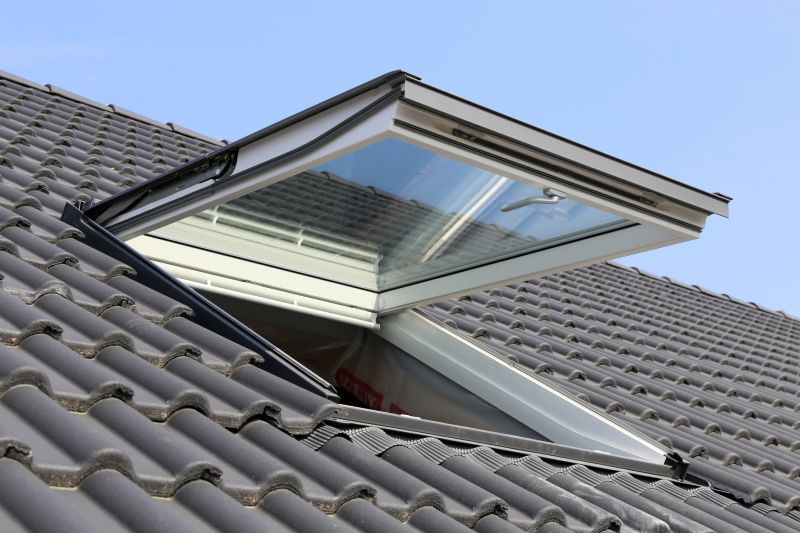
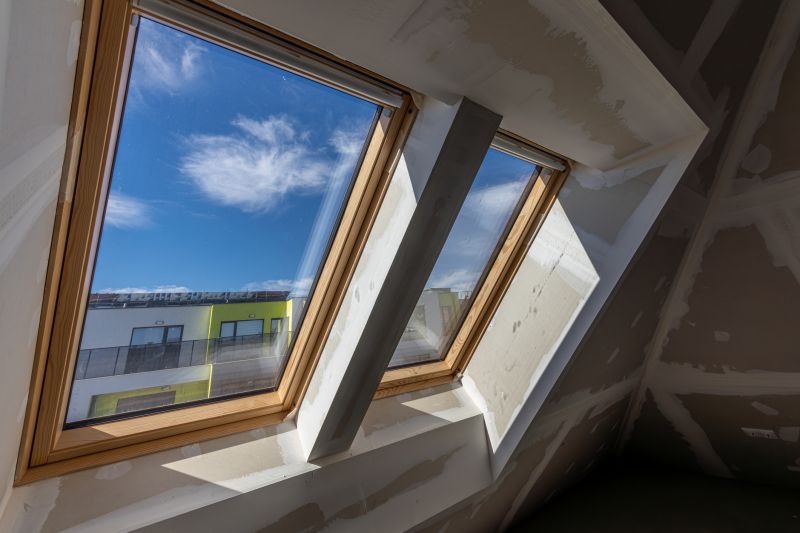
When homeowners search for signs their home is ready for a skylight installation, they are usually trying to determine whether their property can benefit from additional natural light and whether the structural conditions support such a project. This inquiry often stems from a desire to brighten interior spaces, reduce reliance on artificial lighting, or improve the overall ambiance of a room. It may also relate to plans for remodeling or upgrading a home’s aesthetic appeal. Understanding these signs helps homeowners evaluate if a skylight can be a practical and attractive addition, and it highlights the importance of consulting experienced service providers who can assess the home's current condition and recommend suitable options.
Many homeowners consider skylight installation when they notice specific issues or opportunities within their property. For example, rooms that lack sufficient windows or have limited access to natural light are prime candidates. Additionally, spaces with high ceilings or attic areas that receive little sunlight may benefit from a skylight to improve brightness and ventilation. On the other hand, some homeowners plan renovations to enhance energy efficiency or interior comfort, and adding a skylight can be part of that strategy. Local contractors can evaluate whether the existing roof structure, attic space, and overall home design are compatible with skylight installation, ensuring the project enhances the property’s functionality and aesthetic value.
The types of properties that typically come up in discussions about skylight readiness include single-family homes, especially those with pitched or flat roofs, as well as multi-unit residential buildings and some commercial structures. Homes with open floor plans or rooms that face shaded areas are often considered for skylight upgrades. Properties situated in areas with ample sunlight are naturally more suitable for maximizing the benefits of a skylight. Whether a home is relatively new or older, the structural integrity of the roof and the space available for installation are key factors. Local service providers are equipped to evaluate these elements and determine if the property’s design allows for a successful skylight addition.
Understanding the practical signs that a home is ready for a skylight installation can help homeowners plan their projects more effectively. If a space feels dim or lacks natural illumination, or if there is an accessible roof area that can support a skylight, these are positive indicators. Additionally, homes undergoing renovations or improvements that include roof repairs or upgrades may be ideal opportunities for skylight installation. Consulting with local contractors can provide clarity on whether the property’s existing structure and design support the installation process. These professionals can assess the home’s characteristics, recommend suitable skylight types, and ensure the project aligns with the property’s layout and your lighting goals.
Attic Insulation Upgrades - Improving attic insulation can enhance natural light distribution, making it easier for service providers to install skylights effectively and safely.
Roof Repair and Replacement - Addressing roof issues ensures a stable surface for skylight installation and helps prevent leaks or damage after the project is completed.
Interior Remodeling Projects - Renovations that involve ceiling modifications or wall adjustments can prepare a space for skylight integration and improve overall aesthetic flow.
Ventilation System Installations - Upgrading or adding ventilation can complement skylight installation by improving airflow and natural light in living spaces.
Window and Door Replacement - Replacing existing windows or doors often involves similar planning and tools as skylight installation, providing experience with structural modifications.
Chimney and Skylight Flashing Repairs - Ensuring proper flashing and sealing work is essential for skylight longevity and can be related to other roofing repair projects handled by local contractors.
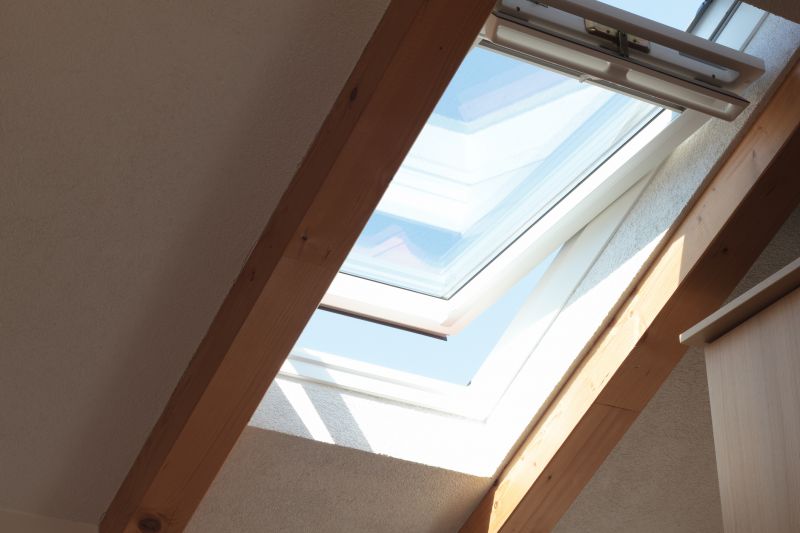
When evaluating potential service providers for skylight installation, it is important to consider their experience with similar projects. Homeowners should inquire about the types of skylights the contractors have installed and whether they have worked on homes with comparable architectural styles or roof structures. An experienced contractor will be familiar with the common challenges and best practices associated with skylight installation, helping to ensure a smooth process and a high-quality result. Checking references or reviews that highlight past work on comparable projects can provide insight into the contractor’s ability to handle the specific requirements of a skylight installation in a home similar to yours.
Clear, written expectations are essential when selecting a service provider for a skylight project. Homeowners should seek detailed proposals that outline the scope of work, materials to be used, and the projected timeline. A reputable contractor will be transparent about the process, including any necessary preparations or potential adjustments. Having a well-defined plan helps prevent misunderstandings and ensures that both parties are aligned on the project’s goals. It also provides a basis for evaluating the professionalism and thoroughness of the service provider, making it easier to compare options objectively.
Good communication and reputable references are key indicators of a dependable contractor. Homeowners should ask how the service provider communicates during the planning and installation phases and whether they are responsive to questions or concerns. Reliable contractors often have a track record of satisfied clients and can provide references that speak to their professionalism, quality of work, and adherence to schedules. Effective communication helps build trust and facilitates a smoother installation process, reducing the likelihood of surprises or issues that could impact the final outcome. Taking the time to verify references and assess communication style can make a significant difference in the overall experience when installing a skylight.
Property owners often search for signs your home is ready for a skylight installation when they are planning practical projects around their homes and businesses. Local pros provide Skylight Installation services for everyday jobs and straightforward project options.
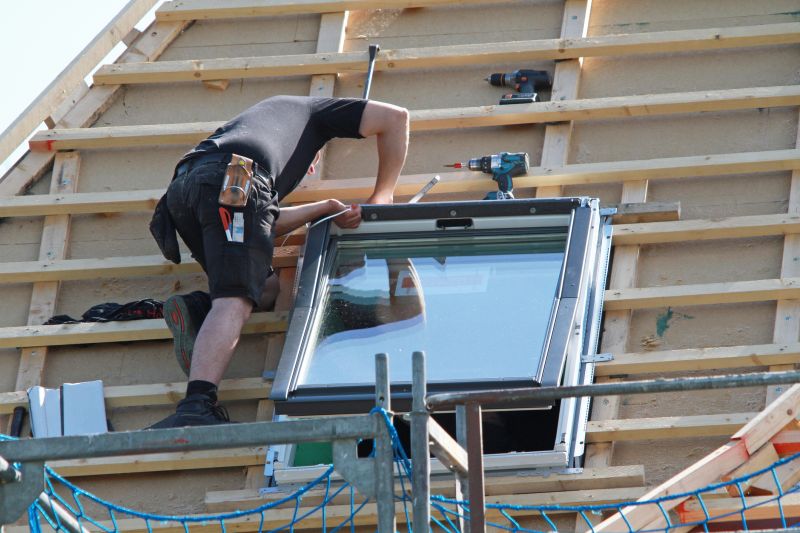
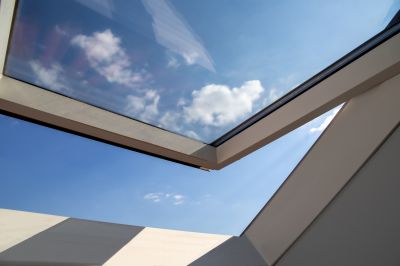
Homeowners considering skylight installation often notice increased natural light in common living areas or a desire to brighten darker rooms. If the interior of the home feels dim during the day or if rooms with limited windows seem to lack sufficient sunlight, this can be a sign that adding a skylight might improve the space. Local contractors who specialize in skylight installation can assess the home's structure and determine whether the roof and ceiling areas are suitable for this type of upgrade, helping property owners make informed decisions about enhancing their home's lighting and ambiance.
Another common indication that a home is ready for a skylight installation is the presence of inconsistent lighting or uncomfortable glare in certain areas. If residents find themselves adjusting window coverings frequently or experiencing hot spots from direct sunlight, a skylight can help distribute natural light more evenly. Service providers in the area can evaluate these issues and recommend appropriate skylight solutions that improve comfort and aesthetics. They can also advise on the best placement to maximize benefits while minimizing potential drawbacks like heat gain or loss.
What are visible signs of roof damage or leaks that indicate a home may be ready for a skylight installation? Visible damage such as cracked or missing shingles, water stains, or leaks in the attic can suggest that a home might benefit from a skylight installation, especially when these issues are linked to roof areas suitable for skylights.
Is there enough roof space and structural support for a skylight? Adequate roof space without obstructions and sufficient structural support are important signs that a home can accommodate a skylight installation, which local contractors can assess during an inspection.
Are there areas in the home with limited natural light that could benefit from a skylight? Rooms with small or no windows that lack sufficient natural light may be suitable for skylights, and local service providers can help determine if the existing roof can support this addition.
Does the roof have a suitable angle and orientation for installing a skylight? A roof with an appropriate pitch and orientation to maximize sunlight exposure is a practical sign that a home is ready for skylight installation, as local pros can evaluate these factors on-site.
Are there existing openings or vents that can be integrated with a skylight? Homes with existing roof openings or vents can sometimes be more easily adapted for skylight installation, which local contractors can verify during their assessment process.
Existing roof structure - A sturdy and well-maintained roof is essential for supporting a skylight, and local contractors can assess if the current roof can handle the installation.
Clear access to the roof area - Easy access makes the installation process smoother and safer, encouraging property owners to prepare their space for the project.
Adequate interior ceiling space - Sufficient ceiling height and space allow for proper placement and framing of the skylight, with local service providers helping evaluate interior conditions.
Natural light and ventilation needs - Recognizing areas that could benefit from more daylight or airflow can guide homeowners in choosing optimal skylight locations with the help of local experts.
If you are thinking about signs your home is ready for a skylight installation for a property, this guide is meant to help you understand this topic, the typical project types, and how different options might fit your plans.
When you are ready, you can use the quote form on this page to share a few details about your project. From there, local pros can review the basics and follow up with options that match what you have in mind.